
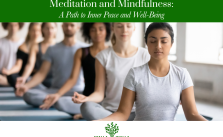
 In our fast-paced world, stress, anxiety, and mental fatigue have become all too common. Many people seek ways to find balance, clarity, and a sense of peace in their daily lives. One of the most effective and time-tested practices for achieving this is meditation and mindfulness.
At Walla Walla Wellness, we encourage the integration of mindfulness practices into daily routines to promote overall well-being. Whether you’re new to meditation or looking to deepen your practice, understanding its benefits can help you incorporate it into your life for lasting health improvements.
What is Meditation?
Meditation is the practice of training the mind to focus and redirect thoughts. It has been around for thousands of years and is rooted in ancient traditions. While often associated with spiritual practices, meditation has gained scientific backing for its positive effects on mental and physical health.
Common types of meditation include:
- Mindfulness Meditation – Focusing on the present moment without judgment.
- Loving-Kindness Meditation – Cultivating compassion for oneself and others.
- Transcendental Meditation – Using a mantra to achieve deep relaxation.
- Body Scan Meditation – Bringing awareness to different parts of the body.
- Guided Meditation – Following a voice or visualization to reach a relaxed state.
What is Mindfulness?
Mindfulness is a form of meditation that involves being fully present in the moment. It is about awareness and acceptance, allowing individuals to observe their thoughts and emotions without reacting impulsively.
Practicing mindfulness means:
✅ Paying attention to your breath
✅ Observing your surroundings and bodily sensations
✅ Accepting thoughts and feelings without judgment
✅ Engaging fully in the present experience
Unlike traditional meditation, which is often practiced in a quiet setting, mindfulness can be integrated into everyday life, such as while eating, walking, or working.
The Benefits of Meditation and Mindfulness
1. Reduces Stress and Anxiety
Studies show that meditation lowers cortisol levels, the hormone responsible for stress. Regular practice helps in managing anxiety, depression, and emotional turbulence.
2. Improves Focus and Concentration
Meditation enhances cognitive function, leading to better concentration, memory retention, and problem-solving skills.
3. Boosts Emotional Well-being
Mindfulness encourages self-awareness and emotional regulation, making it easier to handle difficult emotions and develop a positive mindset.
4. Supports Physical Health
Meditation has been linked to:
- Lower blood pressure
- Improved sleep quality
- Reduced inflammation in the body
- Better pain management
5. Enhances Relationships
By promoting compassion, empathy, and better communication, mindfulness strengthens personal and professional relationships.
How to Get Started with Meditation and Mindfulness
If you’re new to meditation, start with these simple steps:
1️⃣ Find a Quiet Space – Choose a peaceful environment free from distractions.
2️⃣ Get Comfortable – Sit in a relaxed position with your back straight.
3️⃣ Focus on Your Breath – Pay attention to each inhale and exhale.
4️⃣ Acknowledge Thoughts Without Judgment – If your mind wanders, gently bring your focus back.
5️⃣ Start Small – Begin with 5-10 minutes a day and gradually increase.
Mindfulness Tips for Daily Life:
- Savor your meals without distractions.
- Take deep breaths before responding to stressful situations.
- Practice gratitude by acknowledging small joys throughout the day.
- Engage in mindful walking by observing your surroundings attentively.
Q&A: Common Questions About Meditation and Mindfulness
Q1: I struggle to sit still. Can I still practice mindfulness?
Absolutely! Mindfulness can be practiced through activities like walking, yoga, or even washing dishes. The key is to stay present in the moment.
Q2: How long should I meditate each day?
Even 5-10 minutes daily can provide benefits. As you get comfortable, you can extend your practice to 20-30 minutes or more.
Q3: Can meditation replace medical treatment for anxiety or depression?
Meditation is a complementary tool and not a replacement for professional medical advice or therapy. It can enhance mental well-being, but always consult a healthcare provider for treatment options.
Q4: Is there a “right way” to meditate?
There’s no one-size-fits-all approach. Different methods work for different people. Experiment with various techniques and find what suits you best.
Q5: What if I can’t stop my thoughts while meditating?
It’s normal for thoughts to arise. Instead of resisting them, acknowledge them and gently bring your focus back to your breath. Over time, this becomes easier.
Q6: How can I incorporate mindfulness into a busy schedule?
Mindfulness doesn’t require extra time! Try:
- Deep breathing during stressful moments
- Listening attentively in conversations
- Mindful eating without screens
- Pausing for gratitude each morning and night
Experience the Benefits of Meditation at Walla Walla Wellness
At Walla Walla Wellness, we support individuals in their journey toward holistic well-being. Our team provides mindfulness coaching, meditation workshops, and stress management programs to help you cultivate balance in life.
📍 Visit Us:
Walla Walla Wellness
694 W. Rose St.
Walla Walla, WA, 99362
📞 Call Us: (509) 529-4676
💻 Website: [Insert Website Here]
🌿 Start your journey to inner peace today! Let us guide you toward a healthier, more mindful life.